Is Whey Protein High FODMAP?
Whey protein concentrate (WPC) contains residual lactose from the liquid whey byproduct of cheesemaking. For individuals with low lactase activity, consuming a standard 30g scoop causes rapid osmotic fluid shifts and colonic bacterial fermentation. In contrast, Whey Protein Isolate (WPI) undergoes cross-flow microfiltration that eliminates virtually all lactose, making it well tolerated by IBS patients.
Whey Protein Isolate (WPI, 90%+ protein, <1g lactose)
Safe for most sensitive digestive tracts
1 scoop Whey Protein Concentrate (WPC, 30g with 2-4g lactose)
Exceeds colonic tolerance limit
2 hours
1 to 4 hours (lactose osmotic transit)
How Whey Protein affects your digestive tract
Unfiltered whey concentrate retains milk sugars. Lactase deficiency prevents breakdown, causing water retention in the small intestine and subsequent gas production in the cecum.
Common symptom manifestations
Gentle alternatives to Whey Protein
Micro-filtered to remove fats and lactose; contains less than 1% lactose by weight.
Naturally hypoallergenic and completely free of dairy carbohydrates.
Complete amino acid profile with zero lactose or oligosaccharides.
Test your personal tolerance for Whey Protein
FODMAP tables provide population averages. Some people tolerate Whey Protein without issues, while others react to small trace amounts.
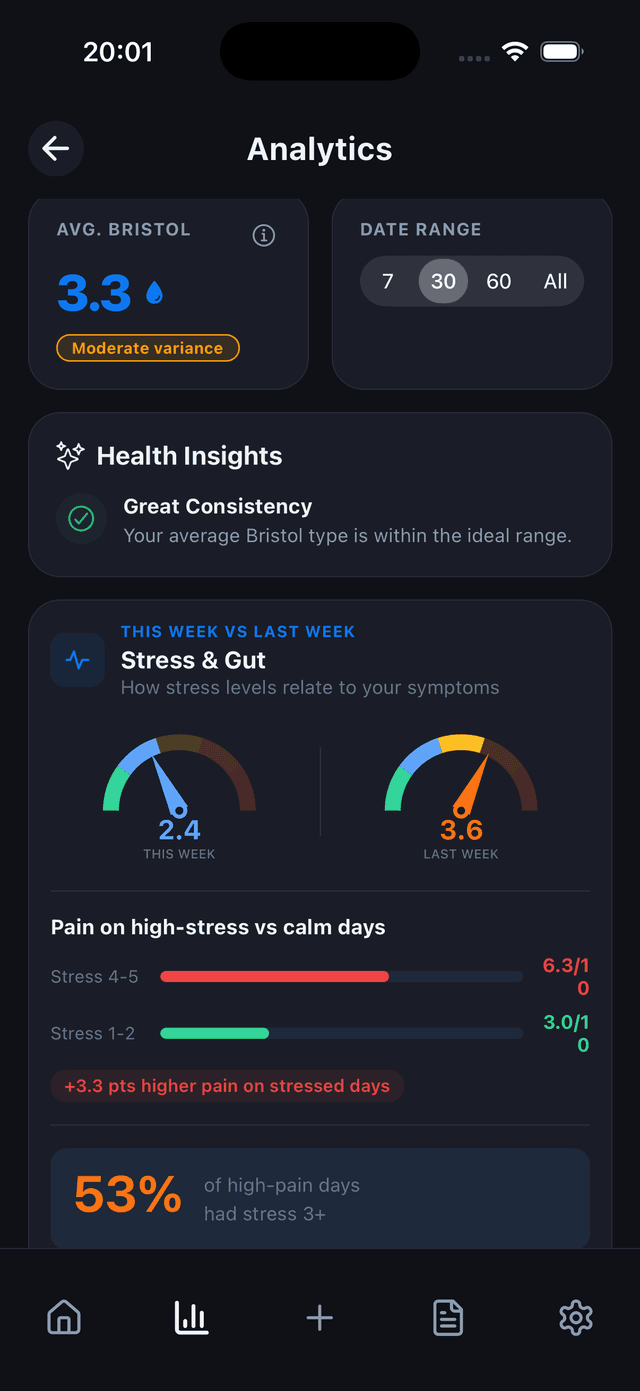
GutLog 1.5.6 includes an Active Diet Tracker with a 3-Phase Elimination Stepper. Test individual food challenge groups with automatic 3-day washout countdowns and 4-hour tag deduplication.
- Tests reactions across 6 digestion lag windows (2h to 36h)
- Calculates Poisson arrival baseline rates and lift scores
- Monitors symptom deltas for pain, bloating, and stool form
- Operates 100% on-device with zero cloud health tracking
Frequently asked questions about Whey Protein
What is the difference between Whey Isolate and Whey Concentrate?
Concentrate contains 70-80% protein with significant lactose and fat. Isolate is filtered to 90%+ protein, removing nearly all lactose.
Why do protein shakes cause foul-smelling gas?
Excess undigested protein that reaches the colon is broken down by putrefactive bacteria into sulfur-containing hydrogen sulfide gas.
Is plant protein powder safer for IBS?
Not always. Pea protein powder is high in GOS oligosaccharides unless specifically tested and certified low FODMAP.
Track Whey Protein in your daily food log
Download GutLog for iPhone. Free to start, no account required, completely private.
Download on the App Store