How to Improve Your Gut Health: What Actually Works
If you've spent any time looking up gut health, you've probably run into advice that ranges from sensible to bizarre. Bone broth protocols. Parasite cleanses. Fourteen-day reset programs. It's a lot, and a lot of it is noise.
The research on gut health is genuinely exciting — and also genuinely complicated. What we do know is that a few consistent habits have good evidence behind them, while most of the dramatic interventions don't. Here's what's actually worth your attention.
Feed Your Microbiome a Wide Variety of Plants
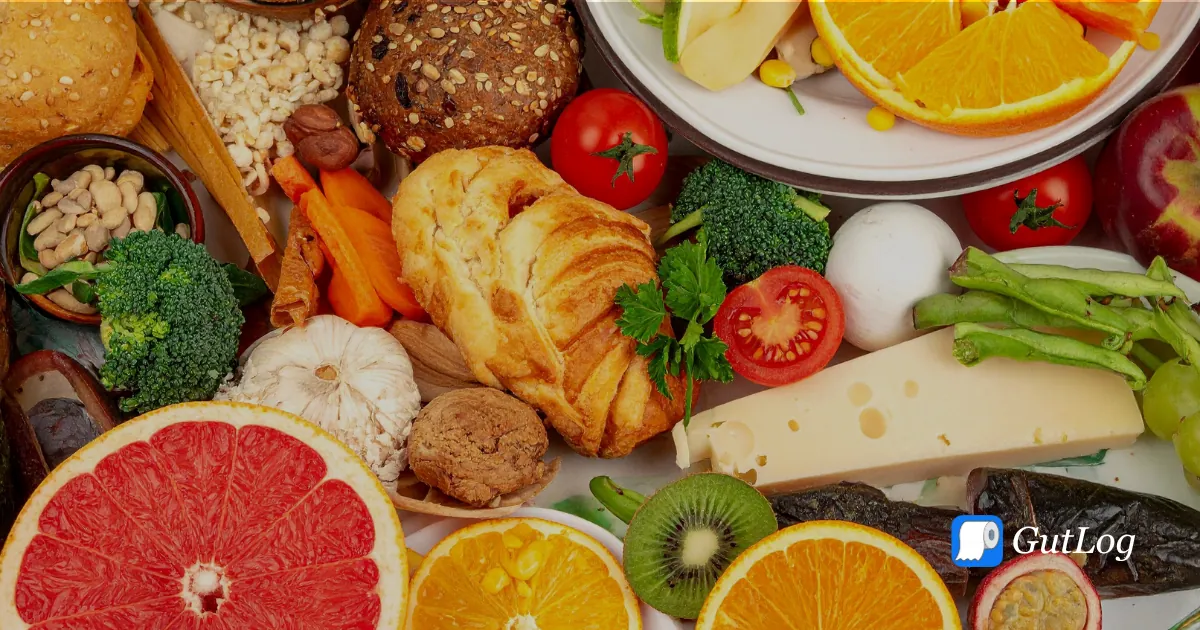
The single best-supported dietary change for gut microbiome diversity is also the least glamorous: eat more plants, and eat different ones. A landmark citizen-science study found that people who ate 30 or more different plant foods per week had significantly more diverse gut microbiomes than those who ate fewer than 10. This includes vegetables, fruits, legumes, whole grains, nuts, seeds, and herbs — each counts separately.
Diversity matters because different bacterial species thrive on different types of fiber. A narrow diet starves the species that can't survive on what you're eating, while a varied one tends to support a wider community.
Increase Fiber — But Do It Slowly
Fiber is food for your gut bacteria. Most adults in Western countries eat far less than the recommended 25–38 grams per day. The problem is that dramatically increasing fiber intake too fast causes gas, bloating, and cramping — which can feel like the opposite of improvement. The fix is to add fiber gradually over two to four weeks and drink plenty of water alongside it, giving your microbiome time to adapt.
One nuance worth knowing: if you have IBS, raw high-fiber foods can sometimes worsen symptoms, especially high-FODMAP ones like onions, garlic, and legumes. Cooked vegetables, oats, and seeds tend to be better tolerated as a starting point.
Add Fermented Foods
Fermented foods — yogurt, kefir, kimchi, sauerkraut, kombucha, miso — contain live microorganisms that can temporarily populate and support your gut. A 2021 Stanford study found that a high-fermented-food diet increased microbiome diversity and reduced inflammatory markers more than a high-fiber diet alone.
You don't need to eat all of them. Even one or two servings a day of something fermented appears to have a measurable effect. Plain yogurt with live cultures is the easiest starting point for most people.
Manage Stress Consistently (Not Just During Flares)
The gut-brain axis means stress lands in your gut, every time. Chronic stress alters gut motility, increases gut permeability, and changes the composition of your microbiome — none of which help. The research on stress management for gut health isn't glamorous (it's mostly "do the boring stuff: sleep, move, breathe"), but it's solid.
What actually helps: regular aerobic exercise, consistent sleep, and some form of daily decompression — even 10 minutes of slow breathing or a walk. Gut-directed hypnotherapy and cognitive behavioral therapy also have good evidence specifically for IBS.
Move More
Regular physical activity supports gut motility — the muscular contractions that keep things moving through your digestive tract. This is one of the most consistent findings for constipation specifically. Walking is enough; you don't need intense exercise.
Be Thoughtful About Antibiotics
Antibiotics are sometimes necessary, and when they are, take them. But using them for viral illnesses (where they do nothing) or requesting them unnecessarily is worth reconsidering. A single course of broad-spectrum antibiotics can significantly alter the gut microbiome, and the effects can last months. If you do need a course, ask your doctor about taking a probiotic alongside it.
What Probably Doesn't Help (Despite the Marketing)
Juice cleanses, expensive probiotic supplements without specific strain evidence, "detox" teas, and parasite cleanses have no meaningful evidence behind them for gut health. Some can actively disrupt your gut, especially laxative-based "cleanses." Save your money and attention for the things above.
Tracking is how you know what's actually working
Diet changes, stress management, sleep — all of these take weeks to show results, and it's easy to lose track of what changed and when. GutLog lets you log food, symptoms, stool type, and stress level so you can see your own patterns over time rather than guessing.
Track your symptoms with GutLog
Log Bristol stool forms, track triggers, and sync with Apple Health. 100% private.
The Bottom Line
Improving gut health is mostly about consistent, undramatic habits: varied plants, adequate fiber, some fermented foods, regular movement, and managed stress. None of it sells supplements. All of it has real evidence behind it.
Frequently Asked Questions
How quickly can you improve gut health? Some changes — like shifts in microbiome composition after dietary changes — can be detected within days. But meaningful, lasting improvement in gut diversity and digestive symptoms typically takes four to eight weeks of consistent habits.
What foods are worst for gut health? Ultra-processed foods, foods high in artificial sweeteners (particularly those marketed as "zero calorie"), and very low-fiber diets are most consistently linked to reduced microbiome diversity in research.
Are probiotic supplements worth taking for gut health? It depends on the strain and your specific situation. Probiotics aren't all the same — different strains do different things. For general gut health without a specific diagnosis, a diverse diet with fermented foods has better evidence than a supplement. For specific conditions like IBS or antibiotic recovery, certain strains have good trial data. Talk to your doctor about what makes sense for you.